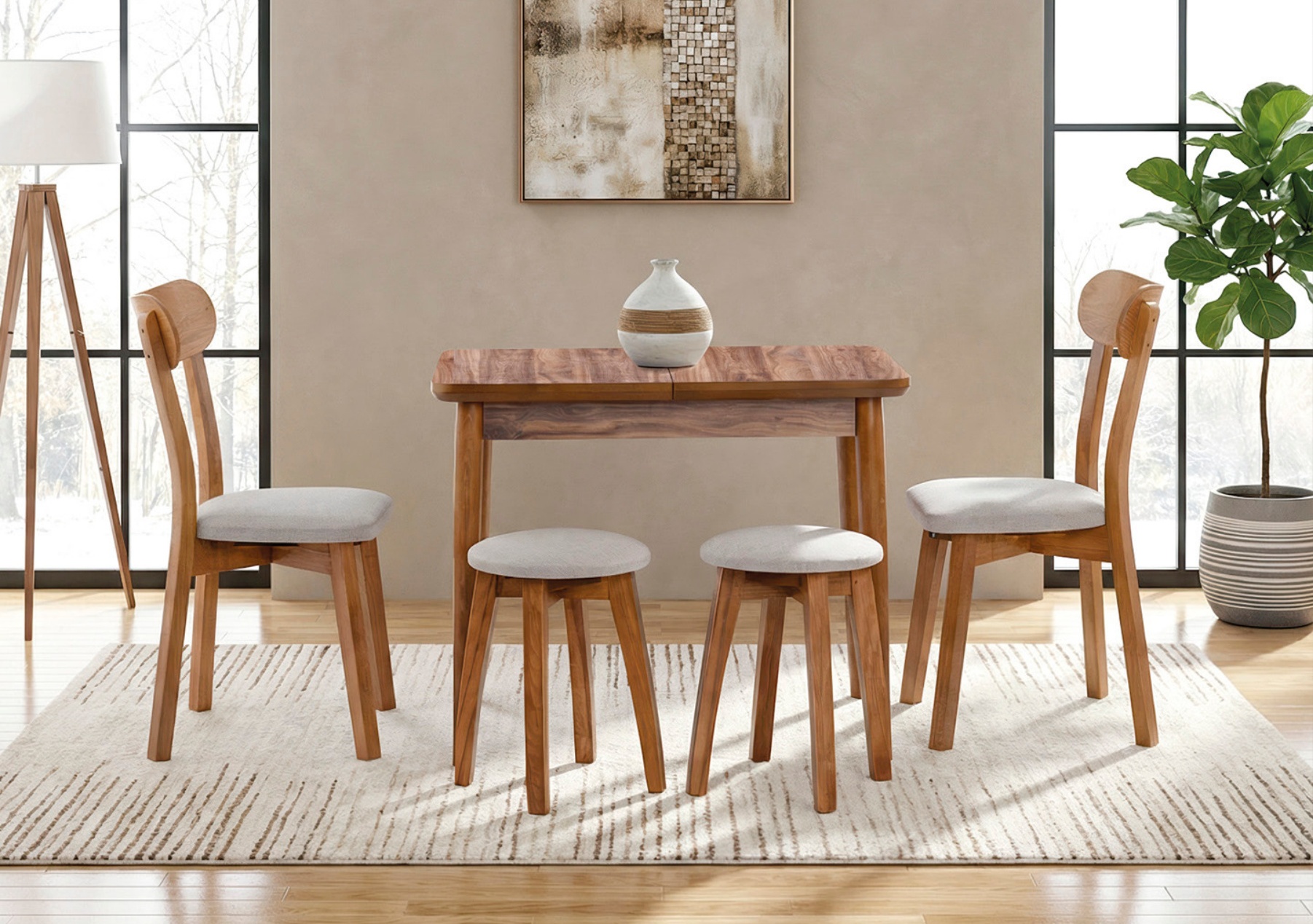




The dining table is undeniably the heart of the home—where long conversations unfold and loved ones gather. Yet no matter how striking a table looks, poor ergonomic proportions can leave guests uncomfortable during extended dinners. Here are the essential architectural rules for effortless dining.
1. Ideal Space Per Guest
For each guest to dine comfortably without bumping elbows, allow a minimum width of 60 cm, with 70 cm offering generous hosting comfort. As a practical guide:
- 4-Seater Tables: Minimum 120–140 cm length.
- 6–8 Seater Tables: Minimum 180–200 cm length.
- 10–12 Seater Hosting Tables: 240 cm and above.
2. Table Height vs. Chair Seat Height
A standard dining table stands 75–77 cm high, while dining chairs typically have a seat height of 45–47 cm. This leaves a crucial 30 cm knee clearance so guests can sit comfortably—even with crossed legs. If choosing armchairs, always verify that the armrests slide cleanly beneath the table apron or underside.
3. How Leg Design Affects Seating Capacity
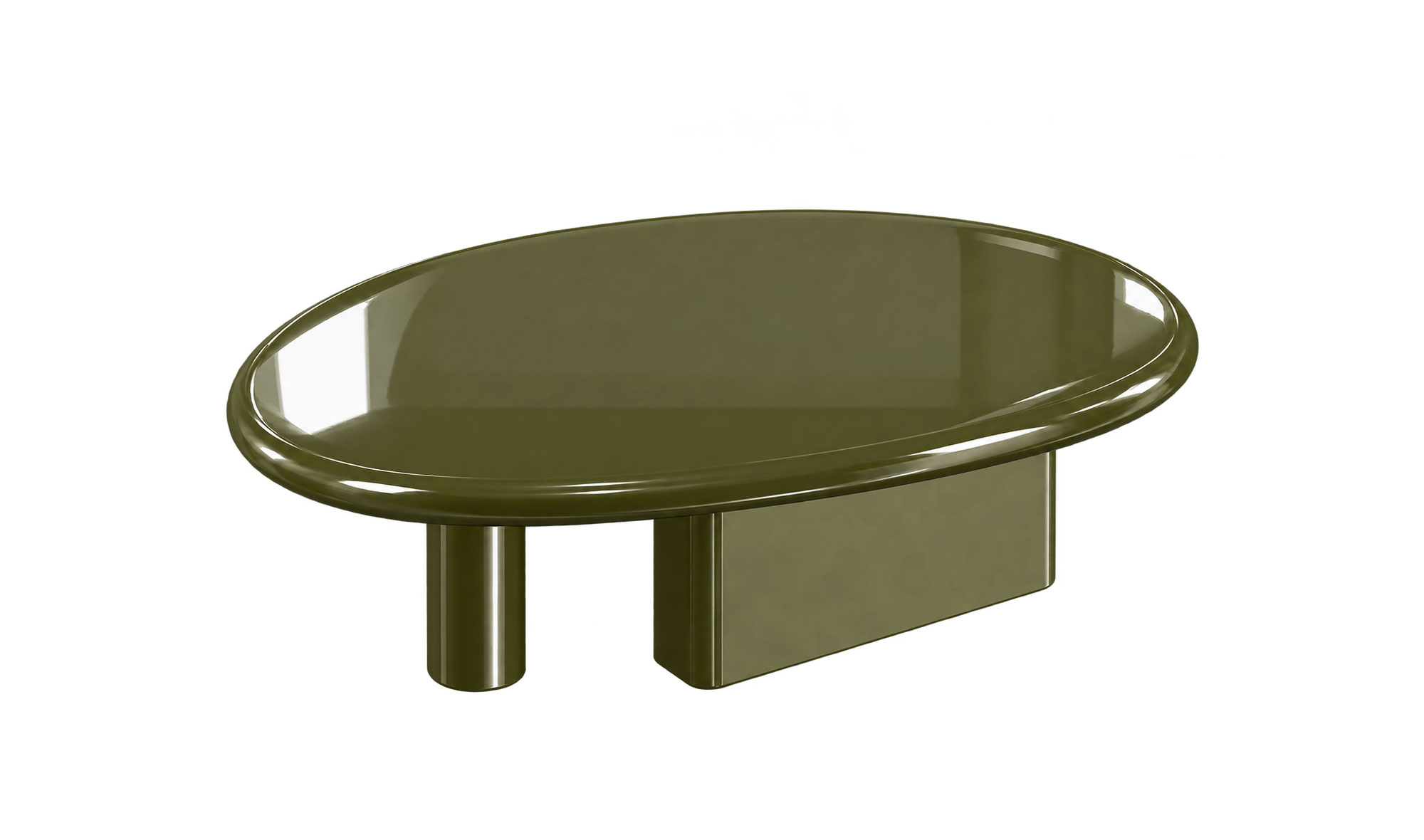
Thick corner legs can obstruct guests seated near the ends of a table. If you frequently host larger gatherings, consider a central spider-leg steel base or recessed solid timber pedestals, which allow chairs to be tucked seamlessly along the entire perimeter.
SVR Wood Concept dining tables combine first-grade kiln-dried solid timber tops with engineered steel or hardwood bases built to host generations of memorable gatherings.